
Cobourg’s homeless shelter adds more beds to meet growing demand
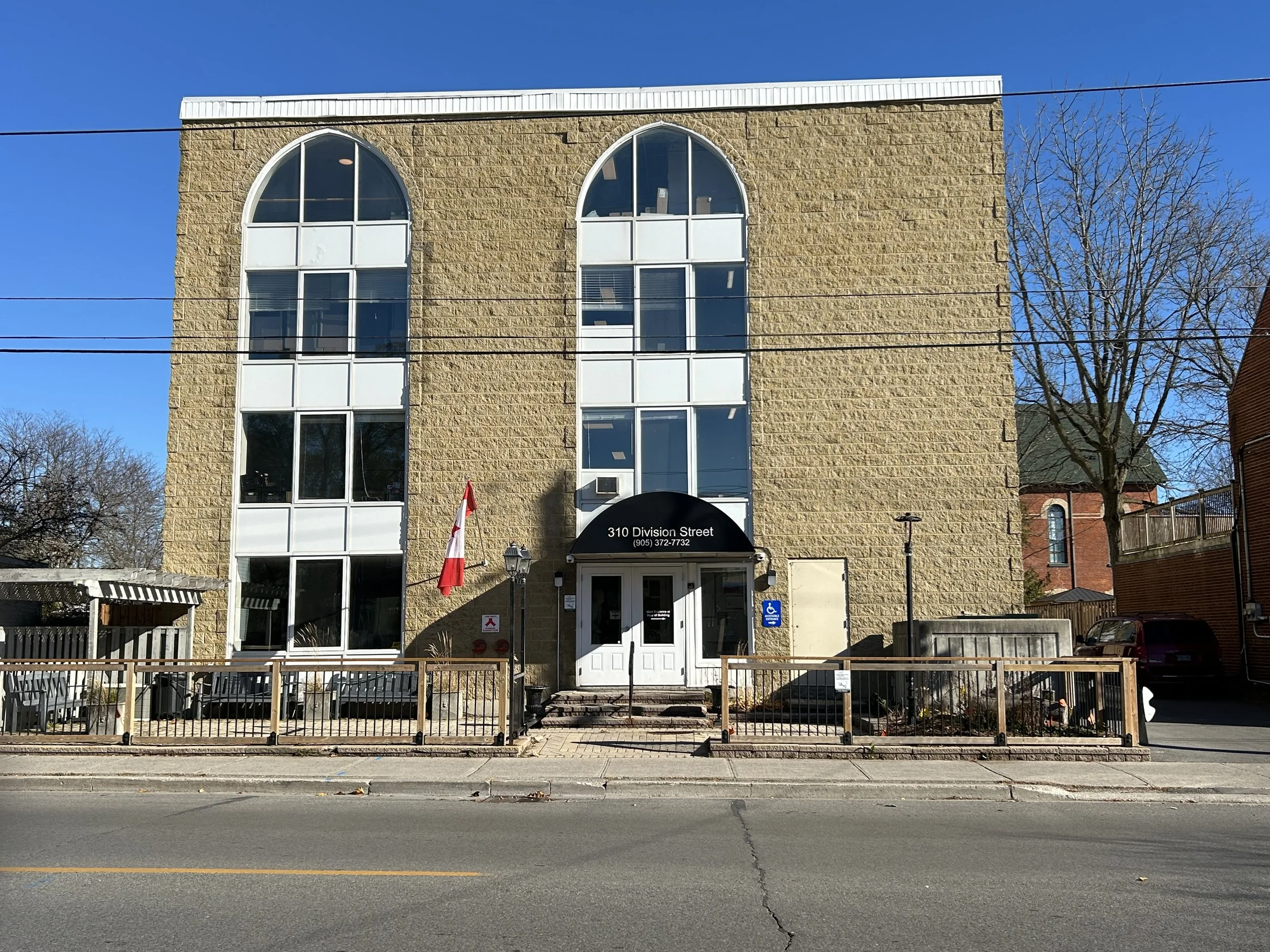
The emergency shelter in Cobourg. File photo.
By: Cecilia Nasmith and Dan Jones, Northumberland 89.7 FM, Local Journalism Initiative.
The emergency shelter in Cobourg is adding more beds to meet the growing demand of homelessness in the community. Northumberland County Associate Director of Housing and Homelessness Rebecca Snelgrove noted that, as of 2026, this new higher-barrier model is official and put forward a number of options for county council to consider – such as moving from 35 to 46 beds as permitted under the new fire plan that has been approved.
They have already moved to 40, the maximum allowed under current staffing ratios. Transition House Executive Director Christian Harvey said the shelter turned away 50 people in December and 40 in November. Approximately 50 percent of the clients accessing 310 Division Street are over the age of 50, with Harvey noting that demographic is consistent across the country. He blames affordable housing for pushing more seniors out of their homes.
“We’re seeing more and more people as we see affordability leaving more people out,” Harvey explained. He cites “renovictions,” and sold apartment complexes as reasons for landlords to raise rents, making it difficult for renters to compete in the rental market. He adds some seniors who lose their partner, no longer have that additional income to make ends meet.
With the closing of the warming room at 310 Division Street, moving that service to the Northumberland County Administration Building, Harvey states there is a noticeable difference around the shelter, as people are no longer hanging around that area. Harvey admits while it has lessened the impact on the community and brought calm, yet the impact has shifted to homeless people.
The shelter did move to a high barrier facility at the first of January, meaning more changes how it operates including: Escalated or disruptive behaviours, as well as any signs that someone is under the influence of drugs or alcohol, renders the person ineligible for service. Intake will include a bag and pocket search, as well as scans by hand-held metal detectors. Individuals found “with items that violate the rules” will be deemed ineligible for service. Diversion conversations will take place prior to the intake process, Within 48 hours, individuals will be assessed to determine level of acuity and support required. Within 72 hours, individuals will meet to create a housing-focused case plan (which will necessitate two housing-focused case managers responsible for service plans). There will be no amnesty lockers. Intake times and curfews will be clearly stated – anyone out beyond those hours (other than for special-permission reasons such as employment) will be considered self-discharged.
Harvey is advocating for local leaders to build more housing units to address the current crisis, noting that a community cannot punish its way out of homelessness.
