
OHT-N looks back with pride and ahead with purpose
File Photo
By Cecilia Nasmith
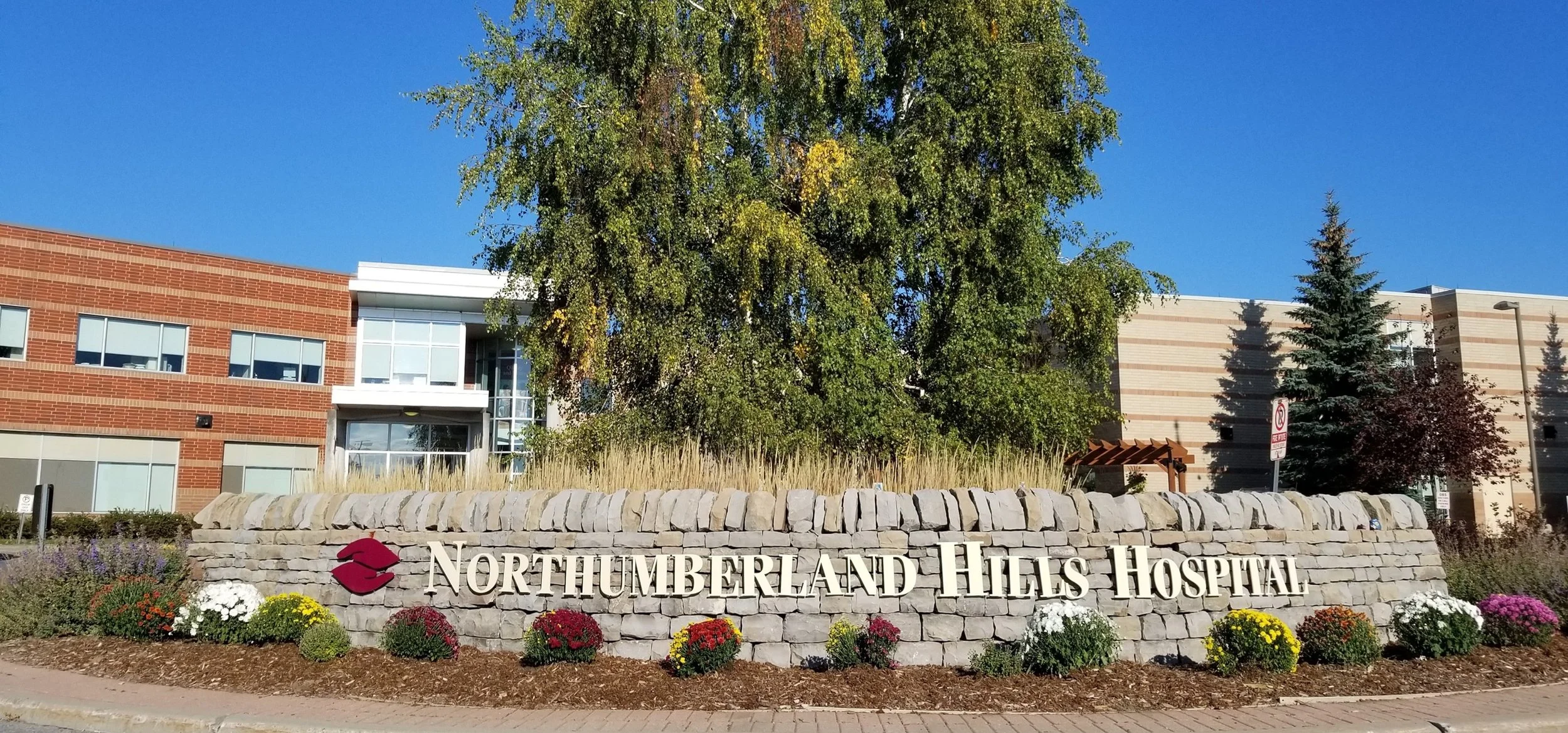
Ontario Health Team-Northumberland Executive Lead Ram Puva attended the October Northumberland Hills Hospital Board meeting to reflect on a solid past and a look at the future.
With the 2021-2026 strategic plan behind them, to be exact, they're looking ahead to the one for 2027-2032.
The Ontario Health Team-Northumberland was announced Dec. 6, 2019, as one of Ontario's first 24 Health Teams, designed to bring local providers together to help build a more connected and sustainable health-care system centred on the needs of patients and caregivers. There are now more than 50 health-care teams.
“We heard that we actually had one of the best applications put forward by those first 24,” Puva said.
OHT-N now consists of 18 partners – acute-care providers, primary-care providers and social-service providers. As he described their work, it's where community needs intersect with provincially mandated health-care requirements (“about 85% focused on primary care,” Puva explained).
The 2021-2026 plan strove for such ideals as access to primary care and specialty services in the region, supporting older adults with complex needs, and access to services for those with mental-health and addiction needs.
“We are very lucky to have delivered on a lot of those items,” he said.
One key achievement was clearing away the local Health Care Connect list in June and receiving a letter of acknowledgement from the province, meaning all local residents needing to be attached to a primary-care provider were taken care of – though the list now has about 263 names again.
Key needs that were addressed included community supports to help older adults age in place. They have even begun a pilot-project community in Warkworth.
Much of last year was spent on consultations leading up to the 2027-2032 plan – interviews with diverse partners, focus groups, resident and community-partner surveys and a vision day. They are currently drafting a strategic plan, incorporating input from 250 residents and 31 community-partner organizations.
Data from the residents stress finding and reaching care, wait times, help with navigating services and care closer to home.
The community partners prioritized mental-health and addiction needs, co-ordinating across sectors, workforce and service capacity, and shared information and clearer referral pathways.
Four strategic pillars have emerged – access, equity, navigation and integration, and collective capacity. Lived experience and community perspectives will be factored into all decisions to ensure success across all four sectors, Puva pledged. And documents are being developed to measure progress and demonstrate impact.
It is expected that the plan can be finalized by Dec. 15, he continued. And three years into the plan, there will be a strategic review to assess progress and adjust direction as needed.
Carol Anne Bell-Smith cited past reviews that just do not take into account members of the disabled community, in spite of the fact that 30% of Northumberland residents could be considered members - “higher than the provincial average,” she pointed out.
“We acknowledge there's that perception they may not be fully recognized,” Puva acknowledged.
“But in our strategic plan, our goal is to ensure all populations are recognized through the health-equity lens.”
Shortly afterwards, in his regular report, Board Chair Michael McAllister warned that AI will be playing an increasing role in operational decision making, adding that this will be explored further at their December meeting.
